Announcing the “Bicentennial” Edition Pearl Necklace 2010

Jul 5

With great pleasure and satisfaction we announce the presentation of three pearl necklaces for the year 2010. As with all previous pearl necklaces that have been produced in Mexico since our pearl farm started operations, these necklaces are made using pearls from several crops or pearl-harvests; for these 3 necklaces, we have used pearls from the 2010, 2009, 2008 and even 2007 crops. You need extreme patience in order to produce a good string of pearls.

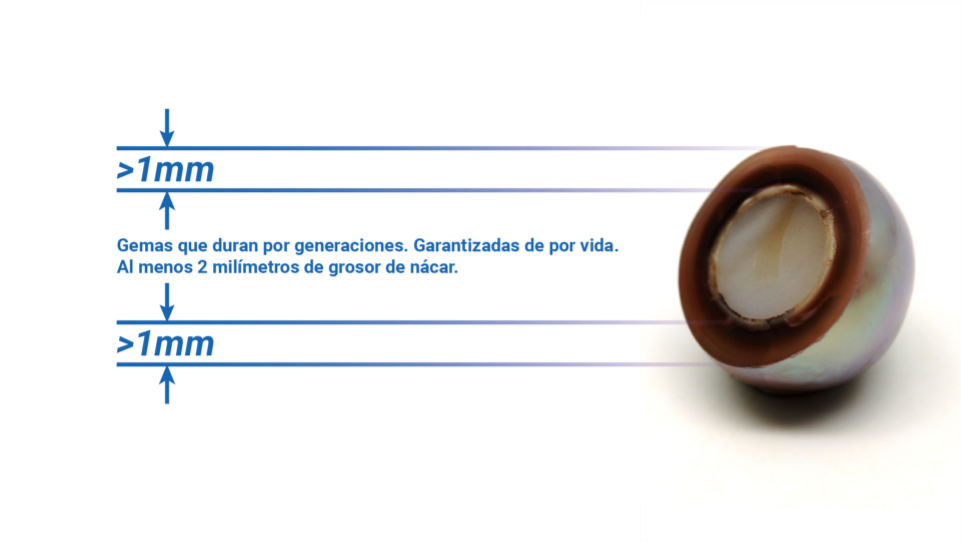
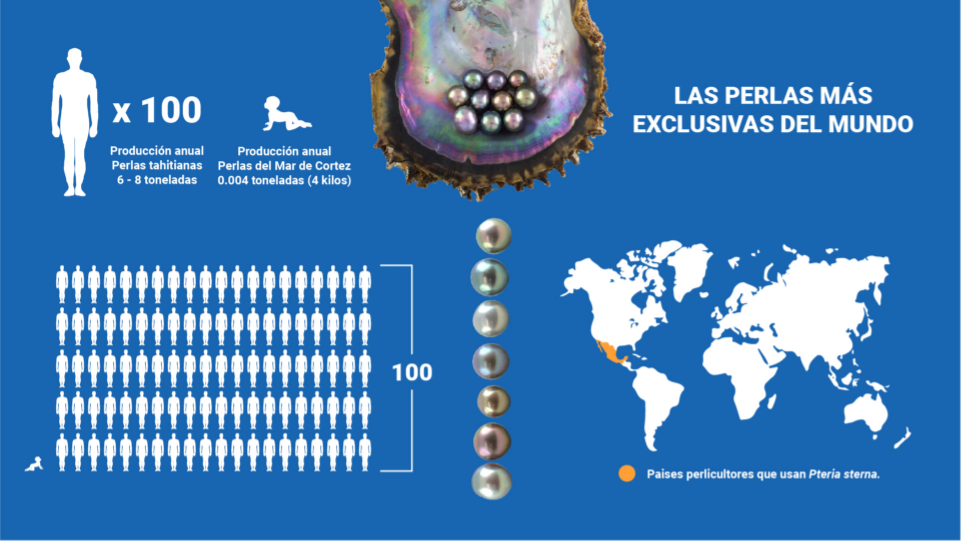
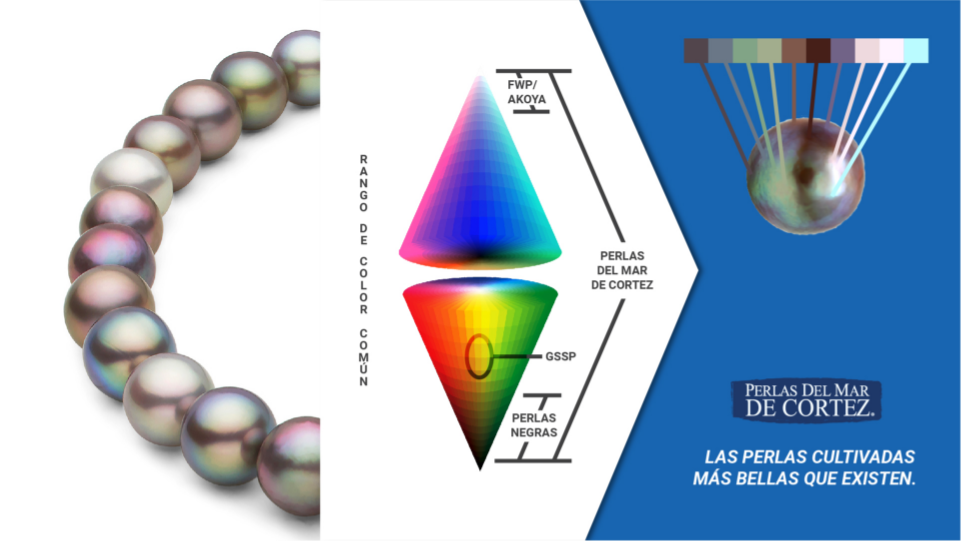
What makes these necklaces so special? Well, they consist of pearls produced in Mexico’s Gulf of California, a region known worldwide for its pearls, and these are cultured using a limited-production (4 kilos) scheme, these are the only cultured pearls that are produced under the “Fair Trade Gems” standards, the only cultured pearls that are produced using a “winged pearl oyster”: the “Rainbow-Lip Pearl Oyster“  or Pteria sterna, thus they are the rarest cultured pearls produced in the world and they also display a pink-red fluorescence under long wave UV rays, and are some of the very few cultured pearls that do not receive any “embellishing” treatments (physical nor chemical) … there are many more things to say about how special these pearls are, but this is just to lay the basics.

What we now need to do is present these three strings of pearls from the 2010 edition:

Necklace 2010 – A

This one consists of a graduated necklace with a length of 20″ (50.8 cm), made with 49 baroque pearls with a size (diameter) of between 8.0 and 8.7 mm, using “B” grade “Cortez Pearls” (“B” grade means that there are skin imperfections on the pearl and that its luster is not very high), the central pearl measure 8.7 x 9.1 mm . However, with its light gray color, unique shapes and its iridescent pearls makes it a truly exceptional piece. It has a simple yellow 18 K gold brooch.

Pearl Necklace 2010 – B

This is an excellent pearl necklace when you consider its price:benefit. It is a baroque pearl necklace, but these pearls are soft baroques (not by human action), in short, although these pearls are asymmetrical shaped they posses very soft shapes that are almost spherical in appearance, thus they look “round” from a certain distance. It is quite uncommon for our Gulf of California cultured pearls to have a perfectly round shape (the reasons will be explained in a future post), thus our spherical shapes attain a far greater value than that of the most common shape: the asymmetric or baroque shapes-so this necklace achieves a relative low cost with great looks or “more bang for your bucks”.

This graduated multicolored 19″ (48.26 cm) pearl necklace consists of 51 baroque pearls with a size between 8.0 & 8.6 mm (diameter) and made with “A” and “A+” grade pearls (this means very good natural luster and a clean pearl surface) of exceptional colors. The result is a rainbow-like necklace with red, green, blue gray, black and purple pearls … As with the previous necklace, it features a plain 18K yellow gold brooch.

Special Edition “Bicentennial” 2010 Pearl Necklace

This is a truly a unique Cortez Pearl necklace, a piece of jewelry fit for a Queen and truly something that very few can own. We’ve placed this necklace at the same level of delicacy -for want of a better word- as some of our finest necklaces such as “Stella Maris” (2009) and “Bohéme” (2008). The central pearl is a gorgeous purple pearl (11.6 mm) with incredible green overtones (obtained from the 2010 harvest).

This 19″ (48 cm) graduated multi-colored pearl necklace consists of 49 near-round Sea of Cortez Cultured Pearls with sizes between 8.7 and 11.6 mm (diameter),  and was made using the only “A+” and “Gem” grade pearls, featuring the most intensely colored pearls available, the highest natural luster and the best surface (“skin”) purity possible using only non-treated pearls. This necklace does not include a clasp, since the buyer usually acquires a specially made clasp for such a unique piece.

So far we have named this necklace as “Bicentennial” (Mexico turns 200 years old as an Independent country this year) but this name will be changed by the owner: in the purest pearling tradition these unique necklaces are named or are “christened” in the manner of other famous necklaces or Pearls of old. In today’s world, the vast majority of necklaces produced do not even deserve a nickname… but high quality pearls with a limited production are still worthy of this distinction.

Where are the other Cortez Pearl Necklaces?

Since our Bacochibampo Bay farm started producing loose cultured pearls in the year 2000, we have only managed to produce eight special pearl necklaces -with characteristics similar to those of the “Bicentennial” necklace- and we have always wanted for these to remain in Mexico, but this has not always been possible. So where are these necklaces? Here’s the list:

  • 3 necklaces in Mexico, including the three most perfect and beautiful: “Stella Maris”, “Bohéme” and “Balandra.”
  • 2 in the United States of America (“Maria” and “Isabella”)
  • 1 in Italy
  • 1 in New Zealand

Understandably, the owners remain anonymous. In the case of “Bohéme” it had the distinction of appearing in the book “Pearls” by gemologists Hubert Bari and David Lam, a book where the authors state (on page 86) the following about the “Sea of Cortez Pearl”: “It is perhaps the most beautiful pearl to have been cultured up to now” (Hubert Bari & David Lam. 2010. Pearls. Skira . Italy. 336 pages).

Where will the “Bicentennial” spend its Time? What will be its final name? That will be known soon …so, stay tuned!

Sea of Cortez Pearls – The Video

May 31

That’s right, we have already published on the web -thanks to YouTube- our Original video on “Sea of Cortez Pearls.” This was a project we had in mind for several years, but we never had the time to invest in an “original production”. The video reached a good compromise between what we wanted to play on the video, yet we could not achieve such as: we wanted a video clip of a hurricane in action on the pearl farm … but when this happens one usually take refuge in your home, or special clothing (we could not shoot a troop of  “Spanish Conquistadores” trudging through the desert) and,we were not able of getting a professional narrator (primarily due to time constraints) for the Spanish version of the video… but the English version has superb narration.

Despite being produced in 2008 (it achieved “Gold” status on December of that year) we had the video available only on DVD throughout 2009, and it was until this year that we decided to share it publicly.

The video is presented in two parts due to time constraints imposed by YouTube. The first part is a presentation of the Gulf of California Pearl:its lore and History; the second part deals with the commercial cultivation of pearls in Guaymas, Sonora. So, with no more hesitation: we hope you enjoy the video…

We thank all those who participated directly in this beautiful project, specially the staff of “Cheque’s Films” from our good friends Ezekiel “el Cheque” Núñez and Esteban Ibarra (who were in charge of cameras and video editing), the original “Perlas del Mar de Cortez Soundtrack” was the work of  Jaime Delgado Avelar,the  excellent voice narration by the professional narrator Charlie Bloomer, and photos taken by another good friend, Alberto “el Gordo”  Tirado. Another couple of good video details provided by our friend Benito Sarmiento (thank you for allowing us to use your videocam and “casing” as well as for lending us your aerial video of Bacochibampo Bay), and finally, the great 3-D work of the “Spanish Galleon” done by Abraham Castro of “Onix” fame. In all, this video was made 100% in Guaymas, Sonora.

The script for the video was produced by us (“pearl trio”), in addition to video footage and photos that we did and incorporated into this video.

Additional thanks? Sure! There are many people who we would like to give special thanks, and amongst them we have:
“The Yaqui Diver”/Adrian Amarillas Casillas, our friends Rocio Mendoza and Diana Alvarez, as well as to  Karla Valdez, Sergio Farell -our friend and former mentor- the ” Tec de Monterrey” for showing faith in our school project and, of course, our group of  “Yaqui Workers” led by Jesus “el Pipi” Valenzuela.

I invite you to please leave your comments … I know that in order to leave a comment you are required to use an e-mail account, but for those who do not want to leave a comment because you will “need” to use your e-mail, you can do the following: there is no need to enter a real email … instead use this fake e-mail chachalaca@chachalaca.com.mx (“copy & paste” and place in the appropriate field) and you will see that it is not necessary to use your personal mail.

See you next week!

Cortez Pearls Exhibited in Doha, Qatar

Feb 12
Posted by admin Filed in Travels

I believe that throughout the years we have been able to rely on the helping hands of many people in order to continue our journey trough uncharted waters. Yes, we have been fortunate enough to have found more friendly faces on our path than sour and dour ones, but this is not the Time -although it is indeed a good place- to Thank everyone that has made it possible for us to survive in this exceedingly difficult task of “reviving” the Legend of the Sea of Cortez Pearl, but rest be assured: we will give proper thanks to everyone. Now, since this is a very recent event we do owe a BIG THANK YOU to Monsieur Hubert Bari (French Gemologist and Curator of the Pearl Exhibit at Doha, Qatar), for his invitation to join him at Doha’s Museum of Islamic Art for his “Pearls” exhibit. Our “Sea of Cortez Pearls” are now part of  a very exclusive group of pearls (including many fantastic pieces of pearl jewelry and rare natural pearls), amongst which the visitor may admire the following:

  • 5 “AA” grade Cortez Mabe Pearls
  • 5 Natural Pearls (measuring 4-7 mm)
  • 10 “Gem Quality” Cortez Cultured Pearls (9-11 mm)
  • 1 blue colored Cortez Pearl Ring, set in an 18K Gold & Fair Trade Diamonds design by TriGem Designs.

Enrique Arizmendi, our General Director, traveled to Doha to be at the inauguration of the Museum Exhibit and also for another grand event: the presentation of Monsieur Bari’s and David Lam’s new “Pearls” book (to be sold at stores this summer). The book is surely to become the most sought-after reference book  in all Pearldom: its information is both detailed and scientifically precise, but written in layman’s language. It also has some of the most beautiful photos of pearls, paintings and pearling I have ever seen in one single book, the diagrams are crisp and detailed. A masterpiece with over 330 pages and 3 kilos in weight. A most serious contender for Elisabeth’s Strack’s “Perlen” book.

This superb book includes a special chapter called “Gentlemen Farmers” that includes a more detailed explanation on the operation of several important pearling ventures such as: Japan’s “Mikimoto Pearls”, Indonesia’s “Atlas South Sea Pearls”, the Philippines’ “Jewelmer” and Mexico’s “Perlas del Mar de Cortez”. The book points out how our operation is the only one in the world that has been able to utilize a Pteria genus pearl oyster (as opposed to the Pinctada species employed by all other salt-water pearl farmers).

Also, I wanted to also thank our photographer friends Paco de la Rosa of Cancún and Alberto Tirado of Guaymas for the excellent photos they took and that now embellish this incredible book. Kudos!!!